

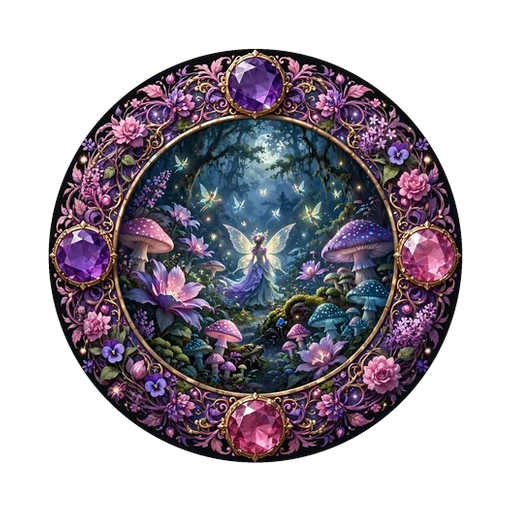

Read This First: Opens November 17, 2026

Fairy Nexus opens November 17, 2026 — and no economy exists yet. No Money rates, no drop tables, no trade values, and no shop prices have been published. This guide is a launch-watch preparation plan, not a rate table: it covers what is confirmed — the currency, the pre-registration bonus, and the activities that will pay — and it tells you how to stockpile, what to catch, and what to watch in launch week. Nothing below is a live farming route, because no live farming exists yet. Any guide that quotes a Money-per-hour figure for Fairy Nexus before launch is inventing it.
The currency is called Money. That is the whole confirmed economy in one word: Money, per the developer's trailer, with a pre-registration bonus of 10,000 Money for signing up before launch. That bonus is the only confirmed Money income in the game at writing time, which makes it both the first farming move and the most important one — claim it, hold it, and do not spend it until you know what things cost. Everything else in this guide is preparation for an economy that starts on November 17, when thousands of players walk into Aetherra at once with empty collections, full purses from pre-registration, and 700 Fairies to find.
That starting condition is the farming opportunity. A new game's economy is set in its first weeks, and the players who profit are the ones who understand what is scarce before everyone else does. In Fairy Nexus, scarcity will not come from a rare drop table — none has been published — but from the shape of the game itself: a 700-strong collection spread across more than 30 maps and 25 routes, with trading between players, a rare Brilliant variant, and a ranked scene that rewards strong teams. Early catches have trade value while the market is young. Duplicates are trade stock. Rare Fairies are the chase. And the player who catches widely, holds rares, and learns which activities actually pay Money before spending any of it will be the player with a full purse in week two.
Money: What Will Pay, and What Is Confirmed
Only one Money income is confirmed: the 10,000 Money pre-registration bonus. Everything else is announced activity, not a confirmed payout. Wild battles, Story Quests, ranked trainer battles, bike races, and rhythm minigames are all confirmed features — but no source states which of them pay Money, or how much. The honest plan is to play the announced activities from day one and watch which ones pay, rather than assuming any of them do.
That distinction matters because it decides where your first week goes. If wild battles pay Money, then catching is farming and the best route is the one with the most battles. If Story Quests pay, then the main quest is the income and the fastest farmer is the fastest story player. If ranked battles pay, then the money is in competitive teams and the first week's work is building one. If minigames pay, then the rhythm game at Emberglass Market is the most efficient income in the game and everyone should be playing it. You cannot know which of those is true until launch, and a guide that picked one would be guessing. What you can do is test all of them on day one — one session of each, note what you earn, and follow the money to the activity that actually pays.
| Activity | Confirmed? | Money payout? | What to do day one |
|---|---|---|---|
| Pre-registration | Yes — 10,000 Money | Yes, confirmed | Claim it before launch; hold it |
| Wild battles / catching | Yes — core loop | Unconfirmed | Catch widely; note any Money earned |
| Story Quests | Yes — 7 chapters, 7 towns | Unconfirmed | Play the story; note quest rewards |
| Ranked trainer battles | Yes | Unconfirmed | Do not rush in; watch week-one rewards |
| Bike races | Yes — incl. The Lantern Relay | Unconfirmed | Learn the timing; note any payout |
| Rhythm minigame | Yes — Emberglass Market, 4 lanes | Unconfirmed | Play it; check whether points convert |
| Trading Fairies | Yes — trade with players | Unconfirmed (player-set values) | Hold duplicates; trade from knowledge |
| Brilliant Fairies | Yes — rare variant | Unconfirmed | Hold any Brilliant; do not sell week one |
Until the payouts are measured, the only farming move with a guaranteed return is the pre-registration bonus, and the only wealth you can build is a collection. That is not a small thing. A broad collection is trade stock, team depth, and type coverage all at once — and in a game where the market is player-to-player, a broad collection is the closest thing to money that exists before Money itself starts flowing.
The first-week rule: keep your first week's earnings liquid. Do not spend Money on anything until the community has measured the real rates — what activities pay, what things cost, and what a Fairy is worth in trade. The players who spend in week one are buying at launch-week prices, which are set by ignorance. The players who hold are buying in week two, when the market has a memory.
Catching and Trading: The Farmable Core
Catching is the farmable core of Fairy Nexus, because catching is the only activity that produces something other players want from the first minute. More than 700 Fairies across more than 30 maps, caught in wild turn-based battles, then trained or traded with other players. Every catch is three things at once: a team member, a collection slot filled, and a trade asset. That triple value is what makes catching the farm, even before anyone knows whether wild battles pay Money directly.
A collection that large means early catches have trade value while the market is young. Common Fairies fill a collection, and every player starts with an empty one. The Fairy you catch twice on Bloomroot Path is the Fairy another player has not met yet — and in the first weeks, that is a real trade. The value is not in any single common Fairy; it is in the breadth of the collection and the fact that 700 slots need filling. Catch widely, keep duplicates of anything even slightly unusual, and remember that a duplicate is not a wasted battle. It is inventory.
What makes one Fairy worth more than another in trade is a question the market will answer over the first weeks, but the shape of the answer is already visible. Rarity matters — Brilliant Fairies are the confirmed chase, and anything unusual will draw offers. Type coverage matters — a Fairy whose type is scarce on the early routes is worth more to a player building coverage than a Fairy whose type is everywhere. Level matters — a trained Fairy saves the buyer the training, and the Delalysr example at Level 52 shows that levels have meaningful range. And timing matters most of all: a Fairy traded in week one, when the buyer has nothing, is worth more than the same Fairy traded in week four, when the buyer has everything. Trade early, trade duplicates, and trade from knowledge — the price of a Fairy is highest when the market is youngest and the collection is emptiest.
Rare Brilliant Fairies are the chase. The launch announcement singles out a rare Brilliant Fairy joining your team as the adventure's payoff moment — a bike ride through the blossoms ending with a rare Brilliant joining your team. Brilliant Fairies are a rare variant, and they are the one confirmed scarcity in the game. No spawn rate, no location, and no odds have been published, so treat any claimed Brilliant spawn guide that appears in launch week as unverified until players confirm it with evidence. If a Brilliant joins your team, that is a genuine event: hold it, do not trade it away cheaply, and do not build your whole farming plan around finding another one. Chases are jackpots, not income.
Trading is the market, and the market is young. You can trade Fairies with other players, and that is the whole economy on day one — there is no published shop, no published auction house, and no published price list. Player-to-player trading means values are set by what players will actually give, and in week one that is set by ignorance. The practical rules follow from that: do not trade away anything unusual in the first days; do not accept the first offer for a rare Fairy; trade duplicates before you trade single copies; and keep a record of what actually changes hands, because the first week's trade history is the first week's price guide, and the player who keeps it is the player who knows what things are worth in week two.
Routes and Maps: Where to Farm
The farming ground is mapped, even if the encounters are not. The Aetherra Field Journal's Route Atlas counts 25 routes, with unlockable paths such as Bloomroot Path and Clovertrail Reach, across more than 30 maps. Different routes hold different wild battles — the field notes place a Water-type battle on the volcanic Embercrag Trail — so route choice is type choice, and type coverage decides what you can catch.
That structure gives you a farming method before any encounter list exists: rotate routes as they unlock, learn what lives on each one, and farm the routes that hold the types you need rather than the route you happen to like. Do not farm one route forever. A team built from a single route shares a single weakness, and the Trials punish that — the sanctum keepers expect type matchups, and a narrow catch pool means a narrow team. Rotate, record, and return to the routes that pay. The Route Atlas is your farming map; the field notes are your first entries in it.
| Place | What is confirmed there | Farming note |
|---|---|---|
| Bloomroot Path | Pink-flowered route; bike rides with Fairy companion Ivy | Early route; learn it first, note what you catch |
| Embercrag Trail | Volcanic; Water-type battle (Tide Shot vs Rock/Ground) | Rock/Ground ground — bring Water; farm Water coverage here |
| Moonwillow Row | The Lantern Relay race vs Tavi Quill at dusk | Story-quest race; learn the pedal timing early |
| Emberglass Market | Four-lane rhythm minigame | Test whether points convert to anything on day one |
| Bellflower Quay | First story: The Missing Morning | Start here; story unlocks the region |
| Clovertrail Reach | Unlockable path in the Route Atlas | Unlocks with progress — check it when it opens |
Every other route — 19 more in the Atlas — is unmapped in public sources. That is not a gap in this guide; it is the farming itself. The first players to walk a route and write down what lives there are the first players who can farm it deliberately, and the first players who can tell other players what it holds. Keep notes, and share them: in a new game, the player who publishes the first route map is the player the whole community learns from, and the community that maps together farms better than a community of solo hoarders. Your notes are your edge, but a shared map is everyone's edge — and a game with 25 routes and 700 Fairies needs all of them mapped before anyone can farm with confidence.
Every Announced Activity That Could Pay
Because no payout is confirmed beyond the pre-registration bonus, the farming plan for week one is a testing plan: try everything, measure everything, and follow the money. Here is each announced activity and what to test.
Wild battles. The core loop, and the most likely payer — catching produces Fairies, and Fairies are the trade economy. Test: note any Money earned per battle, per catch, and per route. If battles pay, the best farming route is the one with the fastest battles and the most useful catches, and the fastest clearer wins. If they do not pay directly, catching is still the farm, because the catch is the product.
Story Quests. Seven chapters through seven towns, starting with The Missing Morning at Bellflower Quay. Test: note every quest reward, Money or otherwise. Story progress unlocks routes, so the story is worth playing even if it pays nothing — but if it pays, the fastest story player is the richest player in week one, and the main quest becomes the farming route.
Ranked trainer battles. Confirmed, with no format, tiers, or rewards published. Test: do not rush in. Watch the first week's ranked reports — what the rewards are, whether they include Money, and what team strength they need. Ranked is the endgame income, not the day-one income, and entering it with a mono-type team built from one route is how you donate wins to better-prepared players. The players who profit from ranked will be the ones who spent week one building breadth and learning the chart, then entered in week two with a team built on evidence. If ranked pays Money, the payout will still be there in week two — and the team that claims it will be better than the team that rushed in on day one and lost its way up the ladder.
Bike races. Customizable bikes, ridden along routes like Bloomroot Path, and the Lantern Relay story-quest race against Tavi Quill, decided by timing pedal strokes. Test: whether races pay Money or points, and whether bike customization affects race results. A skill-based minigame is a place where a new player can compete on equal terms — if it pays, it is the most democratic income in the game.
Rhythm minigame. Four lanes at Emberglass Market, hit the notes, earn points. Test: whether points convert to Money, XP, or anything else — and whether the conversion is worth the time. A four-lane rhythm game is a familiar format, and if the points pay, it is a low-effort income that funds everything else. If they do not, it is still the game's breather, and breathers are what keep you playing a 200-hour seasonal game.
Brilliant Fairies: The Chase, Not the Income
Brilliant Fairies deserve their own section, because they are the one thing in this game that every player will chase and almost no player will find — and the difference between chasing them well and chasing them badly is the difference between a jackpot and a wasted week.
What is confirmed: Brilliant Fairies are a rare variant, and the launch announcement frames one joining your team as the payoff moment of the whole adventure. What is not confirmed: spawn rate, location, odds, or any mechanic at all. That means every Brilliant strategy you will see in launch week is a guess until players confirm it with evidence. Do not follow a "Brilliant spawn guide" that cannot show you a Brilliant. Do not farm a single route for a Brilliant on the word of a stranger. Do not trade a week's worth of catches for a "guaranteed Brilliant location."
The correct way to chase Brilliants is to not chase them at all — to catch widely, across many routes, as part of the normal farming plan, and let the rare variant find you while you are doing useful work. A player who catches 200 Fairies across 15 routes has 200 chances at a Brilliant and a broad collection either way. A player who grinds one route for a Brilliant has one chance repeated, and a narrow collection if the chance never lands. The math is the same either way, but the fallback is not. Catch broadly, hold any Brilliant you find, and never trade one in week one, when nobody knows what it is worth.
What to Stockpile Before Launch
Farming in a game with no economy yet is mostly preparation, and the preparation is short. Do it before November 17 and you walk in positioned; skip it and you spend launch day catching up.
Pre-register and confirm the bonus. The 10,000 Money is the only confirmed Money income and the largest head start available. Create your account on the official site, confirm the bonus is attached to it, and test that you can log in on the device you will play on — desktop or mobile browser. A login problem on launch day costs you the first hours, which are the hours when the market is youngest and the catches are freshest.
Stockpile knowledge, not items. There is no inventory to fill before launch — no shop, no published item list, nothing to buy. What you can stockpile is the shape of the game: the 25 routes in the Atlas, the named places, the confirmed types, the Trials and badges, the ranked scene, the minigames. Read this guide's tables twice. Know that Water answers Rock/Ground on Embercrag Trail. Know that the story unlocks the region. Know that duplicates are trade stock. That knowledge is the stockpile, and unlike Money, it cannot be spent badly.
Plan your time, not your build. No build exists yet — no XP rates, no move lists, no type chart. What you can plan is your launch week: the first hour (story first, catch everything), the first days (rotate routes, hold Money, test every activity), and the end of the week (read the community type chart, trade from knowledge, enter ranked only with evidence). A time plan survives contact with real numbers. A build plan built on guesses does not.
Set up your note-taking. In a new game, notes are wealth. Keep a simple record from day one: what you caught on each route, what each activity paid, what trades actually happened and for what. The first week's notes are the first week's price guide, and the player who keeps them is the player who knows what things are worth while everyone else is guessing. The Route Atlas is your map, but your notes are your ledger — and in a game where the market is player-to-player and the prices are unwritten, the ledger is the most valuable thing you own.
Check your device. Fairy Nexus plays in a desktop or mobile browser — no download, no install — which makes the device you play on part of the preparation. Test the official site in your phone browser before launch day, confirm you can log in and hold a session, and make sure the device you plan to farm on can reach the game when thousands of other players are reaching for it at the same time. A login problem on launch day costs you the first hours, and the first hours are when the market is youngest and the catches are freshest.
Trading 101: How Player-to-Player Value Works in Week One
Trading is the market in Fairy Nexus, and the market is player-to-player from the first minute. There is no published shop, no published auction house, and no published price list — values are set by what players will actually give, and in week one that is set by ignorance. Understanding how that works is the difference between a farmer who profits and a farmer who donates.
Value in a new collection game follows a simple shape. In week one, everything is scarce because everyone starts empty — a common Fairy from the second route is valuable to a player who has not reached the second route yet. As the weeks pass, commons become cheap because everyone has them, and the value moves to the things that stay scarce: rares, Brilliants, high-level Fairies, and types that only appear on late routes. The farmer who understands that curve trades early and trades up: common duplicates for missing types in week one, missing types for rares in week two, and rares for whatever the ranked scene demands in week three. The farmer who does not understand it holds commons until they are worthless and trades rares before anyone knows what they are worth.
Three rules govern week-one trading. First, never trade away your only copy of a type. Your box is your bench, and a type you trade away is a Trial answer you no longer have. Second, never accept the first offer for anything unusual. The first offer in a young market is a lowball by definition — the buyer is betting that you do not know what you have. Third, trade duplicates before you trade single copies, and trade in the open where other players can see what things go for. A trade made in public is a price discovered; a trade made in private is a price hidden, and hidden prices favor the person who already knows them.
Keep a record of what actually changes hands. In a new game, the first week's trade history is the first week's price guide, and the player who keeps it is the player who knows what things are worth while everyone else is guessing. Note the Fairy, the level, the type, and what it traded for — Money, another Fairy, or a favor. After a week of notes, you will have the only price guide in the game that is built from evidence rather than opinion. And do not trade outside the game. There is no verified market, no verified seller, and no reason to pay a third party for anything in a game that has not launched — any offer you find outside the game is unverified, and any seller asking for your login is a risk, not a shortcut.
Seasonal Content and the Long Farm
The developer promises 200+ hours of seasonal content, and that number changes how you should think about farming. This is not a game you finish; it is a game you return to. Seasons will bring new Fairies, new routes, new Trials, and new reasons to farm — and the value of what you hold will change with them.
A Fairy that is mediocre in season one may be the answer to a seasonal Trial in season two. A type that nobody wants at launch may be the type the next season's ranked scene demands. A route that is quiet now may hold the season's chase Fairy later. That is why the farming advice in this guide keeps coming back to breadth: a broad collection is a farm that pays across seasons, while a narrow collection is a farm that pays once and then stops. Keep a broad box. Keep one of every type you meet. Keep your duplicates until the season tells you what they are worth.
Pace yourself, too. A 200-hour seasonal game rewards the player who is still farming in month three more than the player who burned out in week two. The bike, the companion Fairy, the rhythm minigame, the scenic route — the game builds in breathers for a reason, and the breathers are what keep you playing long enough for the seasons to pay. Farm hard in launch week, when the market is young and the catches are fresh. Then settle into the rhythm: story when it advances, routes when they unlock, trades when the value is right, and the long collection across the seasons. The farm is not a sprint. It is a garden, and gardens pay the patient.
The First Story Quest Is a Farming Quest
It does not look like one, but it is. Your first story begins at Bellflower Quay, where a letter postmarked tomorrow arrives before the sun does. The quest is called The Missing Morning, and it asks what happened to Aetherra's sunrise. Do it first — before grinding, before catching sprees, before anything else — because story progress is what unlocks the region, and the region is the farming ground.
The Route Atlas counts 25 routes with unlockable paths, and the towns are spread across seven chapters, which means the map opens as the story advances rather than all at once. A player who ignores the story to grind one route is a player who never sees the other 24 — and a player who never sees the other 24 has a narrow catch pool, a narrow team, and narrow trade stock. A player who follows the story unlocks routes, meets new wild Fairies, and builds type coverage and trade inventory as a side effect of playing the game the way it is laid out. That is the farming route until a better one is measured: story first, routes as they unlock, catch everything you meet, and let the collection grow with the map.
The first quest also teaches you the farming verbs. The Fairy Scan shows you what is in front of you before you commit to a battle. The wild battle teaches you what a catch costs. The route you walk teaches you what lives there. Every quest after the first builds on those three verbs, and every route after the first pays the player who learned them early. The Missing Morning is not a detour from farming. It is the first farming run, and the sunrise it asks about is the one you will be catching under for the next 200 hours.
The Launch-Week Farming Plan
| When | Do this | Why |
|---|---|---|
| Before Nov 17 | Pre-register; confirm 10,000 Money; test login on your device | Only confirmed Money income; avoid launch-day problems |
| Day 1 | Play The Missing Morning; catch everything; note what each activity pays | Story unlocks routes; testing finds the real income |
| Day 1 | Hold your 10,000 Money — spend nothing | No prices published; spending blind wastes the head start |
| Days 2–3 | Rotate routes as they unlock; keep duplicates; record encounters per route | Route rotation builds breadth and trade stock |
| Days 2–3 | Test the Lantern Relay and the rhythm minigame for payouts | Minigames may be hidden income — test them early |
| Days 4–5 | Read the first community type chart and trade reports; price your duplicates | The market gets a memory — trade from knowledge |
| Days 4–5 | Trade duplicates for types you lack; hold all Brilliants | Fill gaps, keep rares, never sell week-one Brilliants |
| Days 6–7 | Spend Money only on things with measured value; keep earnings liquid otherwise | Week-two prices beat week-one guesses |
The through-line is the same as the leveling guide's: breadth first, spending last, knowledge always. Catch widely, test everything, hold your Money, and let the first week's discoveries — the type chart, the payout measurements, the first trade history — tell you where the real farming is.
Money Traps
- Paying a third party for Fairy Nexus Money, Fairies, or accounts. The game has not opened yet and no verified market exists — MMODude's game page lists 0 vendors and no verified listing on any checked marketplace. Any Fairy Nexus offer you find before launch is unverified, and any seller asking for your login is a risk, not a shortcut. Do not pay a third party for anything in a game that has not launched.
- Spending the 10,000 Money bonus on day one. No prices are published. The bonus is a head start, not spending money — hold it until you know what things cost.
- Trading away rares in week one. Nobody knows what anything is worth yet. Ignorance favors the buyer — do not be the seller.
- Buying a "Brilliant location" or a "guaranteed spawn guide." No Brilliant spawn rate or location has been published. A guide that claims one without evidence is selling a guess.
- Farming one route forever. A single-route catch pool is a narrow team and a narrow trade stock. Rotate routes as they unlock.
- Trusting a pre-launch Money-per-hour figure. No Money rates have been published. Any figure you see before players have measured payouts is invented.
- Ignoring the story to grind. Story progress unlocks routes, and routes are the farming ground. The main quest is the farming road.
Common Mistakes
- Skipping pre-registration. The 10,000 Money bonus is the only confirmed Money income. Starting without it is starting behind for no reason.
- Releasing duplicates. Duplicates are trade stock in a player-to-player market. Hold them until the market has prices.
- Assuming wild battles pay Money. They might — or the pay might be in Story Quests, ranked, or minigames. Test every activity on day one instead of assuming.
- Hoarding without a plan. Holding Money is right in week one; holding it forever is not. Spend in week two, on things with measured value.
- Chasing Brilliants on one route. Catch broadly across many routes. The fallback — a broad collection — is worth more than a single repeated chance.
- Treating promo screenshots as data. A Level 52 Fairy in a trailer is not a level cap, and a Brilliant in an announcement is not a spawn rate.
Patch State and What to Watch After Launch
State as of November 11, 2026: Fairy Nexus is unlaunched. The gates open November 17, 2026, described by the developer as an open beta, with pre-registration live and a 10,000 Money bonus for signing up before launch. No economy exists yet and no patch notes exist yet. The developer's recent history is Vanya Online's first anniversary (VanyaFest, November 4, 2026) and a visible roadmap of expansions and events — the best available signal for how Fairy Nexus will be supported, but a signal about the studio, not a promise about this game.
What to watch in launch week, in order: the first payout measurements — which activities pay Money and how much, because that decides the entire farming plan; the first shop prices — because they decide what the 10,000 Money bonus is actually worth; the first trade history — because player-to-player values are set by what actually changes hands; the first Brilliant sightings with evidence — because they decide whether the chase is a hunt or a lottery; and the first community type chart — because route choice is type choice and the chart decides which routes to farm. If any of those discoveries contradicts a plan in this guide, the plan is wrong and the discovery is right. Check the official site and the game's community channels for the launch-day details this guide could not carry, because pre-launch information is thin by nature and launch day is when the real farming guide gets written — by the players, in the game.
Related pages:
 Fairy Nexus
Frequently Asked Questions
What is the currency in Fairy Nexus?
Money. It is the only confirmed currency, named in the developer’s trailer. No shop prices, Money rates, or drop tables have been published.
How do you earn Money in Fairy Nexus?
Only one Money income is confirmed: the 10,000 Money pre-registration bonus for signing up before launch. Wild battles, Story Quests, ranked battles, bike races, and rhythm minigames are all confirmed features, but no source states which of them pay Money or how much — test them on day one.
What are Brilliant Fairies in Fairy Nexus?
A rare variant, framed in the launch announcement as the adventure’s payoff moment. No spawn rate, location, or odds have been published. Catch broadly across many routes rather than grinding one route for a Brilliant, and never trade one away in week one.
Can you trade Fairies in Fairy Nexus?
Yes — you can trade Fairies with other players. Values are player-set, and in week one they are set by ignorance, which favors the buyer. Hold duplicates as trade stock, trade them once the community has a sense of value, and never trade away your only copy of a type or a Brilliant in the first days.
Where do you farm in Fairy Nexus?
Across the Route Atlas: 25 routes over more than 30 maps, with unlockable paths such as Bloomroot Path and Clovertrail Reach. Different routes hold different wild battles, so route choice is type choice — rotate routes as they unlock and keep notes on what lives on each one.
What is the pre-registration bonus in Fairy Nexus?
10,000 Money for signing up before the November 17, 2026 launch. It is the only confirmed Money income in the game, so claim it and hold it — no prices have been published, and spending it blind on day one wastes the head start.
Is there a Fairy Nexus vendor market?
No. MMODude’s game page lists 0 vendors and no verified Fairy Nexus listing on any checked marketplace, and the game has not opened yet. Do not pay a third party for Fairy Nexus Money, Fairies, or accounts.
Do minigames pay Money in Fairy Nexus?
Unconfirmed. Bike races — including the Lantern Relay story-quest race against Tavi Quill — and the four-lane rhythm minigame at Emberglass Market are confirmed features, but no source says whether they pay Money, XP, or points that convert. Test them on day one and note what you earn.
Sources
Every fact in this guide carries its source. Launch and economy facts come from the developer directly; no Money rates, drop tables, or trade values have been published, and the guide says so rather than inventing them. Last checked November 11, 2026.
- Demona Vosz: Fairy Nexus Opens November 17 — Pre-Registration Is Live (IndieDB, November 9, 2026)
- Fairy Nexus — official site (Opens November 17; play in your browser)
- Demona Vosz — developer site (Fairy Nexus; Vanya Online)
- Demona Vosz: Aetherra Field Notes Vol. 01 — Bloomroot Path, Embercrag Trail, Lantern Relay, rhythm minigame, Route Atlas (Instagram, November 5, 2026)
- Demona Vosz: Fairy Scan and battle preview — Delalysr (Lv. 52 Water) vs Mossavia (Lv. 11 Grass) (Instagram, October 12, 2026)
- Demona Vosz: Fairy Nexus launch trailer — 700+ Fairies, 30+ maps, 7 story chapters, 200+ hours of seasonal content, 10,000 Money bonus (Instagram, November 9, 2026)
- Demona Vosz: Fairy Nexus launch trailer (Facebook, November 9, 2026)
- Demona Vosz: Cozy Collection MMO trailer — Bloomroot Path, Embercrag Trail, Lantern Relay, Emberglass Market (Instagram, November 5, 2026)
- Demona Vosz: roadmap — Fairy Nexus Open Beta (November 17) (Instagram, October 14, 2026)
- MMODude: Fairy Nexus game page — 0 vendors, no verified market (November 2026 review)
